In today’s era, online applications play a major role both in personal and business life. Here, technology has greatly improved the efficiency of communication. However, this extensive amount of screen time can greatly hamper mental health, focus, and sleep. Digital detox can be defined as limiting one’s usage of digital gadgets with the intent of reducing stress and improving digital wellbeing. It aims to go against digital dependency and allow an individual to focus and relax.
Today, digital dependency is increasingly rising among individuals. It is driven by the constant influx of notifications and the “always-on” nature of modern work and social life, which makes many people wonder how to stop a phone addiction and regain control. To develop mental clarity and balance, digital detox has become an imperative component of modern digital life.
What is digital detox?
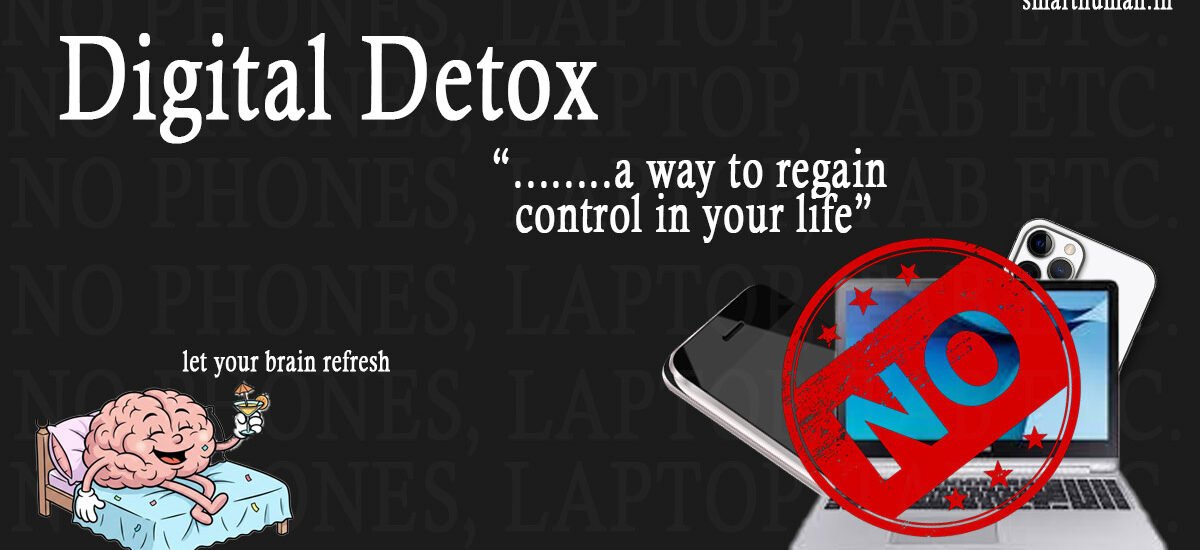
A digital detox refers to a planned and deliberate reduction in the use of digital devices, including smartphones, computers, and tablets, in order to maintain mental and emotional wellbeing.
Digital detox is one of the most effective ways to help an individual disconnect from constant online stimulation. It helps a person decrease screen dependency and understand how to quit an addiction related to excessive phone and social media use. This process allows the mind to relax, improves concentration, and reduces stress linked with continuous notifications and information overload.
The habit of digital detoxing can help build healthier relationships with technology by creating a balance between digital and real-life activities.
For example, Alex gives up social media and unnecessary phone time for a week. He decides to use that time for reading, exercising, and spending quality time with family. This simple step helps him understand how to stop a phone addiction without completely eliminating technology.
The constant buzz of notifications keeps our minds in a state of high alert. Studies show that excessive social media use contributes to Fear of Missing Out (FOMO) and unhealthy comparison with other people’s “highlight reels.” This often leads to feelings of inadequacy.
Doom-scrolling—where users endlessly consume negative news—further increases stress and helplessness. Over time, the brain becomes addicted to “likes” and notifications, creating restlessness when offline. Practising a digital detox helps break this cycle and supports emotional balance.
The blue light emitted from smartphones and laptops reduces melanin production, the hormone responsible for sleep. Scrolling before bedtime keeps the mind active instead of relaxed, resulting in poor sleep quality.
This often leads to “brain fog,” fatigue, and low energy throughout the day. A digital detox, especially before sleep, is one of the simplest ways to improve rest and overall well being.
In a world dominated by 15-second videos and instant messages, attention spans are shrinking. Each notification interruption can take nearly 23 minutes to regain full focus.
Reducing digital distractions through digital detox allows individuals to enter a “flow state,” where deep, meaningful work becomes possible. Over dependence on devices can also weaken memory retention, making detox an essential practice for productivity.
The term “phubbing” (phone snubbing) has emerged as a major cause of relationship conflicts. Being physically present but mentally distracted damages emotional connections.
Digital detox encourages real human interaction, meaningful conversations, and quality time with family and friends. It also allows people to participate in community activities, sports, and hobbies that foster belonging and purpose.
Is your smartphone controlling your life? Technology often creates “invisible stress” when it dictates how you think, feel, and behave. If the following signs resonate, your mind may be signalling the need for a digital detox.
Feeling your phone vibrate when it hasn’t, or opening apps without thinking, may seem harmless. However, these behaviors signal dopamine-driven dependency.
Your brain craves constant stimulation, turning phone usage into muscle memory rather than conscious choice. Over time, this cycle strengthens phone addiction, making people search for how to stop a phone addiction effectively.
If scrolling leaves you feeling discouraged or “less than” instead of inspired, you may be experiencing social comparison fatigue. Comparing your behind-the-scenes life to others’ highlight reels increases cortisol levels and emotional exhaustion.
A digital detox helps reset perspective and reduces this unhealthy mental pressure.
Excessive screen use affects the body before the mind fully realises it. Neck and shoulder pain from constant downward posture, blurred vision, dry eyes, and headaches are common symptoms.
These physical warning signs often indicate the need to step back and practice digital detoxing.
If you struggle to watch a 10-minute video or read a single chapter without checking your phone, constant multitasking may be the cause. Consuming micro-content like reels and shorts fragments attention.
Feeling busy all day without meaningful accomplishment is a strong indicator that digital noise has overtaken your focus.
If you feel like an extension of your phone, it’s time to reconnect with the world beyond the screen. Digital detox is a conscious effort to reduce or pause device usage in a healthy, sustainable way.
You don’t need to go “all or nothing.” Start small by avoiding screens during meals or one hour before bedtime. For a deeper reset, remove problem apps for a weekend or try a 24–48 hour full detox.
These steps are practical ways to understand how to quit an addiction related to digital overuse.
Most notifications are designed to capture attention, not add value. Silence non-essential alerts and allow only priority calls or messages.
This simple change shifts you from a reactive lifestyle to a proactive one, helping you regain control of your time.
Physical boundaries create mental clarity. Use an alarm clock instead of your phone, and keep meals screen-free to encourage mindful eating and real conversations.
Scrolling is addictive because it’s effortless. Move social media apps into folders, enable grayscale mode, or remove them temporarily. Reducing visual stimulation makes phone usage less compulsive.
One of the hardest parts of digital detox is the empty space it leaves behind. Fill it intentionally with books, workouts, journaling, or hobbies. Otherwise, the instinct to reach for your phone will return.
Ultimately, a digital detox is not about completely eliminating technology. Instead, it’s about creating a sustainable balance where technology serves you—not controls you. By stepping away from constant digital noise, your brain gets the opportunity to rest, refocus, and recharge.
Whether you begin with one hour a day or a full weekend detox, taking control of your digital habits is essential. Start your mindful journey today and rediscover the joy of being truly present.